Table Of Content
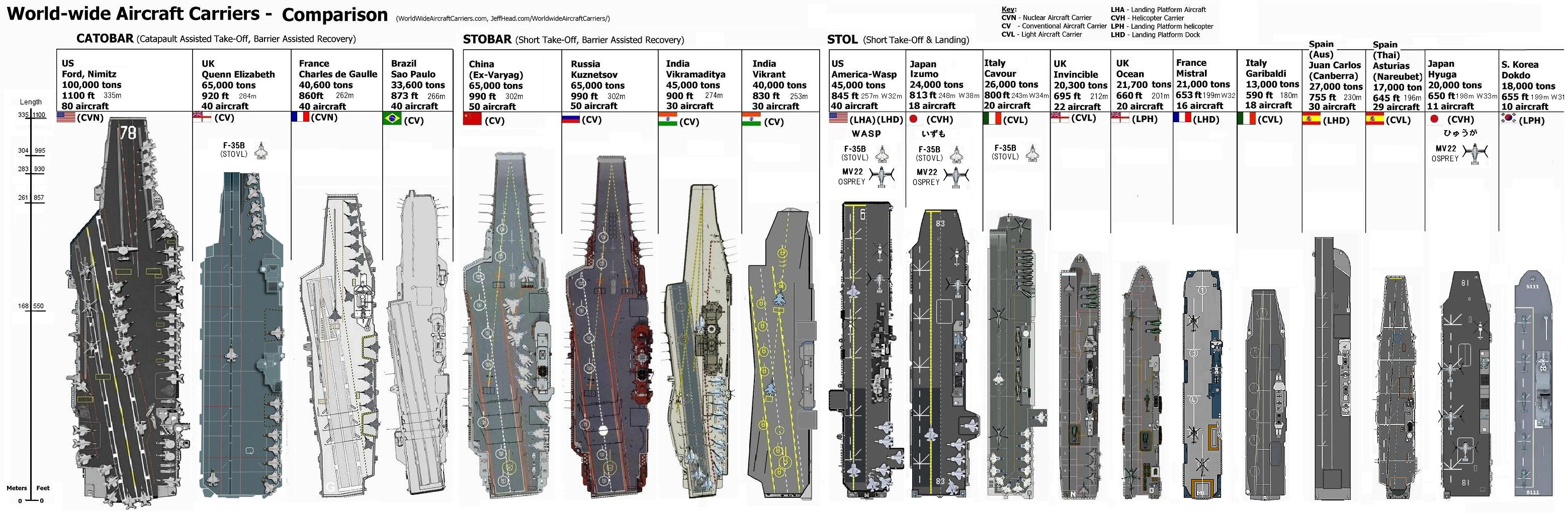
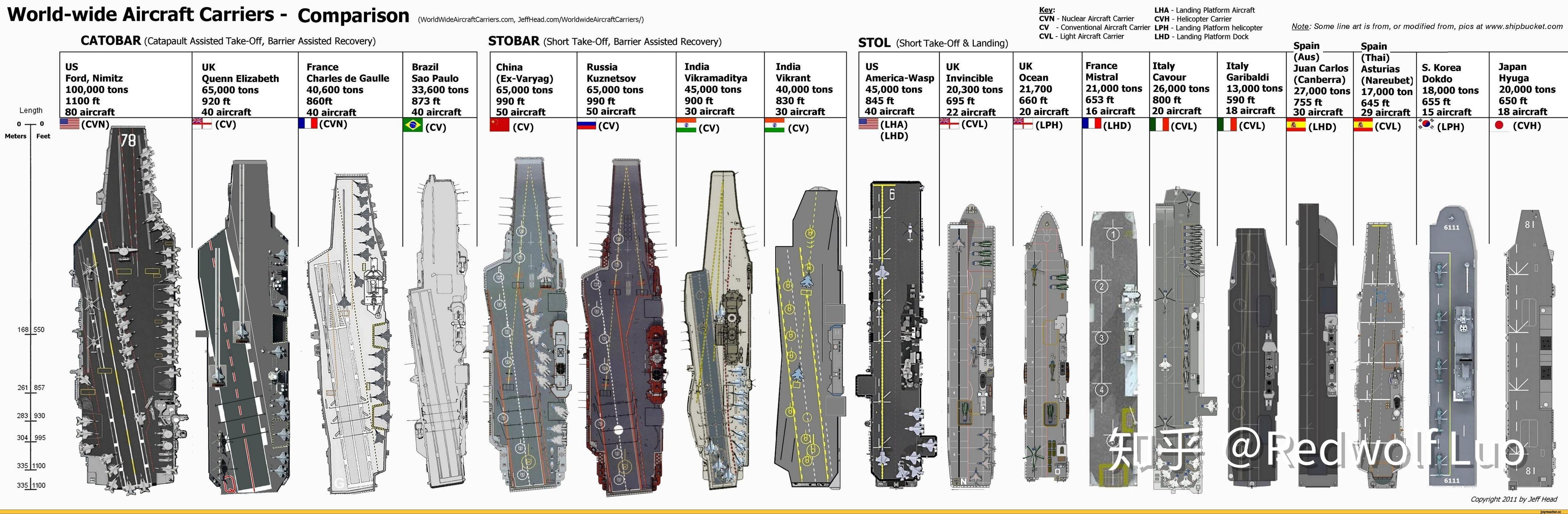
The world’s largest aircraft carrier is the USS Gerald R. Ford, with a length of 1,092 feet. While slightly longer than the average cruise ship, it’s still behind the biggest cruise ship. Royal Caribbean’s Icon of the Seas is the world’s largest cruise ship by gross tonnage. The icon-class cruise ship has a gross tonnage of 250,000 GT and a length of 1,198 feet (365 meters). For instance, while today’s largest cruise ship is only 20% longer than the Titanic.
MSC Grandiosa
Closed-circuit television (CCTV) systems and security staff are also provided on modern cruise ships to keep an eye out for any potential security risks. However, the COVID-19 pandemic has had an effect on the tourism sector, with numerous nations barring their ports to cruise liners. With cruise companies establishing tight health and safety procedures, the sector is gradually rebounding. However, it is impossible to overstate the economic contribution and significance of both cruise ships and aircraft carriers to the travel and tourism sector. However, cruise ships are mostly employed for business-related activities like travel and tourism. They offer a wide range of services, including restaurants, entertainment venues, and recreational facilities, and are designed to carry thousands of passengers.
Midsized Ships: 1,500–2,499 Passengers
Cruise ships are outfitted with fire suppression systems, CCTV systems, complex weather detection and communications systems, and lifeboats to keep their guests and crew safe. Plus, the entire crew and security staff are trained to follow the safety procedures needed to keep everyone safe in any situation. Traditional safety measures are also used to protect the crew, including adequate lifeboats for all personnel and incredibly complex navigation and communications systems. For these cruise ship size comparisons, I’ve used 1,000 feet as the average length of a large cruise ship. In addition to a main restaurant and casual buffet, Rotterdam features five separate specialty dining venues — everything from a pan-Asian eatery to an upscale steakhouse.
Safety and Security Measures
As you can imagine, building a nuclear-powered ship is incredibly time-consuming and demanding. Finally, before the ship can be deemed ready for service, it must be thoroughly tested. The concept of an aircraft carrier was first thought up during the First World War, as air power had demonstrated its significance in warfare. While early aircraft-carrying vessels developed by the British Royal Navy during this time failed to impress, these early aircraft carriers laid the foundations for the development of today’s enormous floating runway ships.
The Role of Aircraft Carriers in the Military
The USS Gerald R. Ford, the largest warship ever built, surpasses the Titanic in size. With a displacement of about 100,000 tons, it far exceeds the Titanic's 50,000-ton displacement. Navy, this nuclear-powered carrier exemplifies the incredible advancements in naval technology since the Titanic's tragic journey, solidifying its status as a modern marvel in shipbuilding.
The USS Gerald R. Ford, the newest aircraft carrier in the US Navy, is a great illustration of a ship with outstanding performance and speed capabilities. With two nuclear reactors, it has an operating lifespan of more than 20 years without refueling and a top speed of more than 30 knots (56 km/h). The 3,963-passenger ship is chock-full of restaurants, bars, nightlife spots and fantastic entertainment, including Broadway shows. With Norwegian's laid-back dining plan, solo travelers aren't locked into set dining times and table mates, so they can invite newly made friends to dinner at a time convenient to everyone. If "more is better" is your mantra, skip the search and look up Icon of the Seas.

This impressive ship has 20 decks with 2,270 staterooms in 12 different categories. The ship has its own unique experience called Robotron, the first robotic arm thrill ride on the sea. Seascape currently sails from Miami, and in 2025 will offer MSC cruises from Galveston for the first time. These vessels feel like miniature versions of the midsized and larger cruise ships.
ASK YOUR SCIENCE TEACHER - La Crosse Tribune
ASK YOUR SCIENCE TEACHER.
Posted: Wed, 09 Aug 2023 07:00:00 GMT [source]
Compared to diesel, natural gas burns cleaner, produces lower CO2 emissions and has a lower odor. The Titanic, once the largest ship afloat at the time of her maiden voyage in 1912, was significantly smaller than modern cruise ships. Surprisingly, most medium and large cruise ships (150,000 GT to 225,000+ GT) have a length right around 1,000 feet (300 meters). The reason cruise ships aren’t built longer is that cruise ships sail to many ports around the world. These massive vessels must dock and maneuver in ports that don’t require frequent upgrades and expansions.
Governmental defence budgets allow warships to have as many crew as they need. Its preliminary focus was on festive fun for all guests (hence the name), which was unlike any other cruise ship at the time. The unique onboard ambiance continues today on the most recent Mardis Gras, which was launched in 2021, and has 17 passenger decks, 2,641 staterooms and a rollercoaster. It’s challenging to grasp the size of modern cruise ships without a visual reference. We’ve compared familiar buildings and reference points to help you visualize cruise ships’ size.
A cruise ship's top speed is 22–24 knots (41–44 km/h), but an aircraft carrier can typically go at knots (55–65 km/h). Due to their different purposes, cruise ships prioritize luxury over speed, whereas aircraft carriers must be able to move swiftly to defend against potential attacks. Fighter jets, helicopters, and other types of aircraft can be launched from and recovered by aircraft carriers, which are vessels designed expressly for naval combat. As a result, they have enormous flight decks for operating aircraft and are made to fit big air squadrons. Both types of vessels exhibit some similarities in their layout and features, while being made for quite distinct reasons. For instance, both ships include various decks, dining rooms, and entertainment facilities to keep passengers and crew happy and comfortable.
At 250,800 gross tons, the new, 20-deck-high vessel is the biggest cruise ship in the world. The Columbia-class submarines will be the largest submarines ever built by the US, measuring 560 feet long and 43 feet wide. The Columbia is designed to carry Mk 48 Advanced Capability torpedoes and 16 Trident II D5 nuclear ballistic missiles. It will also feature "superior acoustic performance and state-of-the-art sensors to make it the most capable and quiet submarine ever built," according to the Navy.
The Navy's 2024 budget submission estimates the procurement cost for the fourth America-class ship, PCU Fallujah, at $3.8 billion, which has been incrementally funded by Congress over the last few years. The additional length comes from the Virginia Payload Module, an 84-foot-long extension that expands the sub's missile capacity. With the VPM, Block V boats increase the number of Tomahawk missiles they can carry from 12 to 40.
The Miami-based cruise operator in 2010 began adding entire zones for solo travelers to the center of every new ship it deployed to the region. Carnival ships are packed with fun-focused attractions, including multiple pool areas, water parks with waterslides, basketball courts, miniature golf courses and even roller coasters on select ships. Kids receive the royal treatment with high-quality kids clubs and onboard attractions like the 765-foot-long AquaDuck water coaster. Plus, they have plenty of opportunities for photo ops with their favorite Disney characters. Since the first-in-class John Lewis-class oiler was procured in 2016, the Navy plans to buy a total of 20 ships in a contract with General Dynamics National Steel and Shipbuilding (NASSCO). Shipyard delays and ballooning costs aren't just impacting the Navy's warships and submarines but also its newest class of replenishment oil tankers.
In Graphic Detail: Colossal Cruise Ships - Hakai Magazine
In Graphic Detail: Colossal Cruise Ships.
Posted: Thu, 01 Feb 2024 08:00:00 GMT [source]
Both kinds of boats, however, need regular upkeep and attention to ensure their functionality and safety. In the end, the construction and design elements of aircraft carriers and cruise ships are different, reflecting the special functions and operational demands of each. Until Utopia of the Seas launches in 2024, Sun Princess will be among the twenty largest cruise ships afloat on the world’s oceans. The ship’s first cruise is set for February 2024, and will debut Princess Cruises' largest number of dining options, offering guests 29 choices. To help you compare the sizes, we've rounded up and ranked the 30 largest cruise ships in the world by gross tonnage (which is a measure of volume, not weight). We've included other stats, such as passenger capacity (both double occupancy and max occupancy) plus length and beam (the width at the widest point of the vessel).
The Flight III design includes an upgraded Aegis Weapons System and a new SPY-6 radar, enhancing its air defense operations. As a result, the Navy proposed to defer the procurement of a second TAGOS-25-class ship from 2025 to 2026 to cover the additional costs. Nonetheless, Austal USA was also awarded a contract to design and construct seven more TAGOS-25-class vessels. The Block V submarine is designed to be 461 feet and displace 10,200 tons, making it the second-largest US submarine behind the Ohio class. Contracted to Huntington Ingalls Industries' Newport News Shipbuilding — the US's only aircraft carrier builder — the Enterprise was initially scheduled to deliver by March 2028.
However, a closer look reveals distinct differences between the two giants of the sea. The primary purpose and functionality of these floating giants set them apart, with one catering to leisure and the other projecting military might. In conclusion, while both the aircraft carrier and the cruise ship are massive vessels that dominate the seas, they serve vastly different purposes.




No comments:
Post a Comment